Ylang Ylang Cananga odorata v Genuina Annonaceae family Ylang ylang is part of the annonaceae family and they are related to that green fruit with soft white flesh called either cherimoya, custard apple, guanaba, or sour sop. Ylang ylang is very “important” in many ways—first, it’s a magnificent, strong and luscious floral, indispensable in both perfumery and aromatherapy. It’s also comparatively affordable, known by a few to be a more cost effective stand-in for Jasmine. But Ylang Ylang and jasmine don’t really smell that similar….It’s a magnificent oil in its own right, and no need to compare them. Ylang Ylang’s character and attributes stand on their own, and does not depend in any way on it being a cheaper or somehow second best version of jasmine. We have two: Ylang Ylang extra and Ylang Ylang complete. They are both super beautiful and both from one of Ylang Ylang’s preferred terroires, the Northern Madagascaan island of Nosy Be. Ylang Ylang does grow, however, in many other rainforest ecosystems, and islands in the Indian and Pacific ocean, in particular Reunion, the Comoros Islands, Micronesia, Melanesia and Polynesia. The tree is native to Indonesia and the Philippines Ylang Ylang A Poem by Ric Bastasa Tonight the ylang-ylang bloomsamidst the darkness and the rainspreading its scentsstill sweetest to my smellyou are still the ylang-ylang thati once kissed. In my rain and darknessyou still bloom best. Let’s see how Arctander describes it In general, he says a good quality ylang ylang need not be compared to any other oil. It is so unusual in itself, so simple and yet so complex of odor, so genuinely popular a fragrance, that it easily finds its own place in perfumery, not merely as replacement for jasmine, but as an improvement on almost any type of floral fragrance. The oil is produced by water or steam and water distillation from freshly cut early morning picked flowers. All Ylang Ylang oil is today produced from flowers of cultivated trees. Ylang ylang distillation is carried out in small stills, since the weight of all the plant material would adversely impact the scent if larger stills wee used. The distillation is interrupted, by fractionating, with the first fraction collected separately after a short amount of time, the second fraction after a longer distillation period, and finally the third fraction. The classification of these fractions is based on the specific gravity for each, with specific parameters set. The specific gravity of the first distillate usually starts over 1000 and it decreases as the distillation progresses and in each fraction thereafter. The first fraction is called “extra” and the specific gravity is somewhat standardized at 0.975-0.985 but this is not necessarily a guarantee of genuineness. The first distillation, the “extra”, is the first 30-45% of the total distillatate, followed by the Ylang Ylang First, Ylang Ylang Second and Ylang Ylang third. Acrtander says (as of 1960) that demand was only for the Extra grade, and the third grade, which was used to replace and bolster Cananga oil. He says first and second grade were combined to make Ylang Ylang extra, and we do know Ylang Ylang extra as a combination of all the grades. Arctander on Ylang Ylang Complete Ylang Ylang complete is usually a yellowish, somewhat oily liquid, with a powerful and intensely sweet, but also soft-balsamic floral odor and an unusual tenacity in its floral-woody undertones. The oil is useful in soap perfumes and in general perfumery as a floral additive of extremely versatile application. Battaglia on Ylang Ylang complete He states that although it technically should be made from the entire uninterrupted distillation, Ylang Ylang complete is actually made from blending Extra, and the first and second fractions. There are many studies on Ylang Ylang including: Antiepileptic activity Anti-microbial activity Anxiolytic activity Hypotensive activity Sedative activity He lists uses for clinical aromatherapy as effective on the Circulatory system for treating palpitations and regulating blood pressure, Nervous System for shock, anxiety, anger and emotional stability Reproductive System for PMS Skin and hair care for softening and balancing, for both dry and oily skin and all hair types Blending he recommends using Ylang Ylang with, (if blending for depression) Bergamot, frankincense, geranium, lavender, jasmine, mandarin, neroli, rose absolute, sweet orange, patchouli or sandalwood. For anxiety and stress. He also recommends Atlas cedar, lemon, palmarosa, petitgrain, and rosemary This oil is suitable for inhalation, bath and topical uses as a compress, massage oil, ointment and in skin care. There is a lot of information on this beautiful oil. We recommend The Complete Guide to Aromatherapy Safety Warning As with most essential oils, dilute before using on skin. Perform a patch test before use if essential oil sensitivity is suspected. Do not take essential oils internally. Do not use on children or pets. Seek advice from a trained aromatherapist before using on people with compromised immune systems. Keep away from eyes and mucus membranes.Enfleurage makes no medical claims relating to any products, essential oils or otherwise, on our website or through social media. We are an essential oil company, not doctors, The FDA has not evaluated the statements on this website. We present our information in order to educate our customers on traditional and general uses of essential oils; in no way do we diagnose, cure, treat, or prevent any disease or condition. You the customer are responsible for understanding the safe use of any and all of our products, including essential oils, and use them accordingly. 2.12.0.0

Ylang Ylang
Cananga odorata v Genuina
Annonaceae family
Ylang ylang is part of the annonaceae family and they are related to that green fruit with soft white flesh called either cherimoya, custard apple, guanaba, or sour sop.
Ylang ylang is very “important” in many ways—first, it’s a magnificent, strong and luscious floral, indispensable in both perfumery and aromatherapy. It’s also comparatively affordable, known by a few to be a more cost effective stand-in for Jasmine.
But Ylang Ylang and jasmine don’t really smell that similar….It’s a magnificent oil in its own right, and no need to compare them. Ylang Ylang’s character and attributes stand on their own, and does not depend in any way on it being a cheaper or somehow second best version of jasmine.
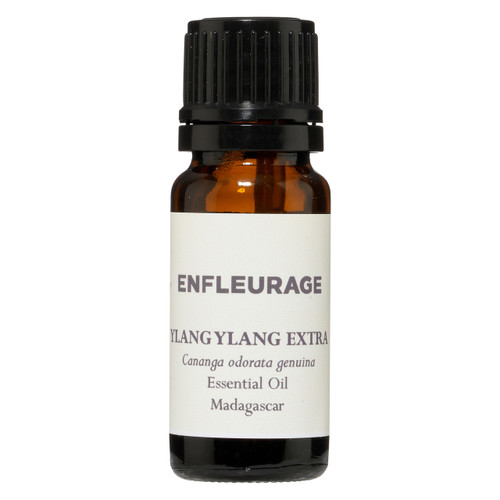
We have two: Ylang Ylang extra and Ylang Ylang complete.
They are both super beautiful and both from one of Ylang Ylang’s preferred terroires, the Northern Madagascaan island of Nosy Be. Ylang Ylang does grow, however, in many other rainforest ecosystems, and islands in the Indian and Pacific ocean, in particular Reunion, the Comoros Islands, Micronesia, Melanesia and Polynesia. The tree is native to Indonesia and the Philippines
Ylang Ylang
A Poem by Ric Bastasa
Tonight the ylang-ylang blooms
amidst the darkness and the rain
spreading its scents
still sweetest to my smell
you are still the ylang-ylang that
i once kissed.
In my rain and darkness
you still bloom best.
Let’s see how Arctander describes it
In general, he says a good quality ylang ylang need not be compared to any other oil. It is so unusual in itself, so simple and yet so complex of odor, so genuinely popular a fragrance, that it easily finds its own place in perfumery, not merely as replacement for jasmine, but as an improvement on almost any type of floral fragrance.
The oil is produced by water or steam and water distillation from freshly cut early morning picked flowers. All Ylang Ylang oil is today produced from flowers of cultivated trees.
Ylang ylang distillation is carried out in small stills, since the weight of all the plant material would adversely impact the scent if larger stills wee used. The distillation is interrupted, by fractionating, with the first fraction collected separately after a short amount of time, the second fraction after a longer distillation period, and finally the third fraction.
The classification of these fractions is based on the specific gravity for each, with specific parameters set. The specific gravity of the first distillate usually starts over 1000 and it decreases as the distillation progresses and in each fraction thereafter. The first fraction is called “extra” and the specific gravity is somewhat standardized at 0.975-0.985 but this is not necessarily a guarantee of genuineness.
The first distillation, the “extra”, is the first 30-45% of the total distillatate, followed by the Ylang Ylang First, Ylang Ylang Second and Ylang Ylang third.
Acrtander says (as of 1960) that demand was only for the Extra grade, and the third grade, which was used to replace and bolster Cananga oil. He says first and second grade were combined to make Ylang Ylang extra, and we do know Ylang Ylang extra as a combination of all the grades.
Arctander on Ylang Ylang Complete
Ylang Ylang complete is usually a yellowish, somewhat oily liquid, with a powerful and intensely sweet, but also soft-balsamic floral odor and an unusual tenacity in its floral-woody undertones. The oil is useful in soap perfumes and in general perfumery as a floral additive of extremely versatile application.
Battaglia on Ylang Ylang complete
He states that although it technically should be made from the entire uninterrupted distillation, Ylang Ylang complete is actually made from blending Extra, and the first and second fractions.
There are many studies on Ylang Ylang including:
Antiepileptic activity
Anti-microbial activity
Anxiolytic activity
Hypotensive activity
Sedative activity
He lists uses for clinical aromatherapy as effective on the
Circulatory system for treating palpitations and regulating blood pressure,
Nervous System for shock, anxiety, anger and emotional stability
Reproductive System for PMS
Skin and hair care for softening and balancing, for both dry and oily skin and all hair types
Blending he recommends using Ylang Ylang with, (if blending for depression) Bergamot, frankincense, geranium, lavender, jasmine, mandarin, neroli, rose absolute, sweet orange, patchouli or sandalwood.
For anxiety and stress. He also recommends Atlas cedar, lemon, palmarosa, petitgrain, and rosemary
This oil is suitable for inhalation, bath and topical uses as a compress, massage oil, ointment and in skin care.
There is a lot of information on this beautiful oil. We recommend
The Complete Guide to Aromatherapy
Safety Warning
As with most essential oils, dilute before using on skin. Perform a patch test before use if essential oil sensitivity is suspected. Do not take essential oils internally. Do not use on children or pets. Seek advice from a trained aromatherapist before using on people with compromised immune systems. Keep away from eyes and mucus membranes.
Enfleurage makes no medical claims relating to any products, essential oils or otherwise, on our website or through social media. We are an essential oil company, not doctors, The FDA has not evaluated the statements on this website. We present our information in order to educate our customers on traditional and general uses of essential oils; in no way do we diagnose, cure, treat, or prevent any disease or condition.
You the customer are responsible for understanding the safe use of any and all of our products, including essential oils, and use them accordingly.
Ylang Ylang
Cananga odorata v Genuina
Annonaceae family
Ylang ylang is part of the annonaceae family and they are related to that green fruit with soft white flesh called either cherimoya, custard apple, guanaba, or sour sop.
Ylang ylang is very “important” in many ways—first, it’s a magnificent, strong and luscious floral, indispensable in both perfumery and aromatherapy. It’s also comparatively affordable, known by a few to be a more cost effective stand-in for Jasmine.
But Ylang Ylang and jasmine don’t really smell that similar….It’s a magnificent oil in its own right, and no need to compare them. Ylang Ylang’s character and attributes stand on their own, and does not depend in any way on it being a cheaper or somehow second best version of jasmine.
We have two: Ylang Ylang extra and Ylang Ylang complete.
They are both super beautiful and both from one of Ylang Ylang’s preferred terroires, the Northern Madagascaan island of Nosy Be. Ylang Ylang does grow, however, in many other rainforest ecosystems, and islands in the Indian and Pacific ocean, in particular Reunion, the Comoros Islands, Micronesia, Melanesia and Polynesia. The tree is native to Indonesia and the Philippines
Ylang Ylang
A Poem by Ric Bastasa
Tonight the ylang-ylang blooms
amidst the darkness and the rain
spreading its scents
still sweetest to my smell
you are still the ylang-ylang that
i once kissed.
In my rain and darkness
you still bloom best.
Let’s see how Arctander describes it
In general, he says a good quality ylang ylang need not be compared to any other oil. It is so unusual in itself, so simple and yet so complex of odor, so genuinely popular a fragrance, that it easily finds its own place in perfumery, not merely as replacement for jasmine, but as an improvement on almost any type of floral fragrance.
The oil is produced by water or steam and water distillation from freshly cut early morning picked flowers. All Ylang Ylang oil is today produced from flowers of cultivated trees.
Ylang ylang distillation is carried out in small stills, since the weight of all the plant material would adversely impact the scent if larger stills wee used. The distillation is interrupted, by fractionating, with the first fraction collected separately after a short amount of time, the second fraction after a longer distillation period, and finally the third fraction.
The classification of these fractions is based on the specific gravity for each, with specific parameters set. The specific gravity of the first distillate usually starts over 1000 and it decreases as the distillation progresses and in each fraction thereafter. The first fraction is called “extra” and the specific gravity is somewhat standardized at 0.975-0.985 but this is not necessarily a guarantee of genuineness.
The first distillation, the “extra”, is the first 30-45% of the total distillatate, followed by the Ylang Ylang First, Ylang Ylang Second and Ylang Ylang third.
Acrtander says (as of 1960) that demand was only for the Extra grade, and the third grade, which was used to replace and bolster Cananga oil. He says first and second grade were combined to make Ylang Ylang extra, and we do know Ylang Ylang extra as a combination of all the grades.
Arctander on Ylang Ylang Complete
Ylang Ylang complete is usually a yellowish, somewhat oily liquid, with a powerful and intensely sweet, but also soft-balsamic floral odor and an unusual tenacity in its floral-woody undertones. The oil is useful in soap perfumes and in general perfumery as a floral additive of extremely versatile application.
Battaglia on Ylang Ylang complete
He states that although it technically should be made from the entire uninterrupted distillation, Ylang Ylang complete is actually made from blending Extra, and the first and second fractions.
There are many studies on Ylang Ylang including:
Antiepileptic activity
Anti-microbial activity
Anxiolytic activity
Hypotensive activity
Sedative activity
He lists uses for clinical aromatherapy as effective on the
Circulatory system for treating palpitations and regulating blood pressure,
Nervous System for shock, anxiety, anger and emotional stability
Reproductive System for PMS
Skin and hair care for softening and balancing, for both dry and oily skin and all hair types
Blending he recommends using Ylang Ylang with, (if blending for depression) Bergamot, frankincense, geranium, lavender, jasmine, mandarin, neroli, rose absolute, sweet orange, patchouli or sandalwood.
For anxiety and stress. He also recommends Atlas cedar, lemon, palmarosa, petitgrain, and rosemary
This oil is suitable for inhalation, bath and topical uses as a compress, massage oil, ointment and in skin care.
There is a lot of information on this beautiful oil. We recommend
The Complete Guide to Aromatherapy
Safety Warning
As with most essential oils, dilute before using on skin. Perform a patch test before use if essential oil sensitivity is suspected. Do not take essential oils internally. Do not use on children or pets. Seek advice from a trained aromatherapist before using on people with compromised immune systems. Keep away from eyes and mucus membranes.
Enfleurage makes no medical claims relating to any products, essential oils or otherwise, on our website or through social media. We are an essential oil company, not doctors, The FDA has not evaluated the statements on this website. We present our information in order to educate our customers on traditional and general uses of essential oils; in no way do we diagnose, cure, treat, or prevent any disease or condition.
You the customer are responsible for understanding the safe use of any and all of our products, including essential oils, and use them accordingly.
Since 1997, we have been New York’s first and only shop specializing in aromatics from the natural world: essential oils, absolutes and enfleurages. We do not carry synthetics of any kind, in any of our products. In addition to volatile aromatic oils, we offer a carefully curated selection of vegetable and nut oils, hydrosols, and our own range of all-botanical perfumes, skin and hair care, roll-ons to-go, raw incense, hand sanitizer and our new frankincense candles.
Most of our essential oils are sourced from small, artisanal distilleries throughout the world, usually where the plants are happiest growing. The concept of terroir takes the natural planetary variables into account—atmosphere, soil composition, elevation, water table, etc. The earth, as an organic being, moves and breathes with the cosmos, and every square metre of the earth’s tapestry has slight variations. In a larger sense, micro-climates, elevation, soil and air, energy from the sun and moon, rootstock, local cultivation practices, geography, mineral nutrition, water supply, topography, and the like, all influence every living thing growing. Terroir explains the relationship between the scent and taste of a food, wine or essential oil, and its geographic origin.
We’re totally into this.
Domestic Shipping:
Orders over $100 qualify for free shipping within the U.S. We ship domestic orders via UPS Ground or USPS. For deliveries to P.O. boxes, please choose USPS as your shipping option.
US Military Active Duty:
Active duty members of the US military are eligible for free shipping as a token of our appreciation for your service.
International Shipping:
All international orders are shipped via FedEx to ensure reliability and efficiency.
Please be aware that customs and duties may be applied by your country and are your responsibility. These fees are imposed by your government, and the carrier will notify you of any charges. Unfortunately, we cannot assist with these fees, nor can we refund international shipping costs if packages are returned.
Large Orders:
For large orders, over $300, especially initial ones, we may require a signature upon delivery for added security.
Returns:
We accept returns for within 30 days of shipment on unopened products less shipping costs. We do not accept returns on open products.
Please take care when shipping to common areas like general lobbies, or leaving on the doorstep. We cannot refund these orders.
We are not multi-level marketing-our approach is holistic. No membership fees, minimums, or hard sells and we won’t share your information. Just straight-up aromatics.
A quarter-century at the forefront of delivering pure, artisan-crafted essential oils.
Deep-rooted connections with small-scale distilleries around the globe.
Over a decade of distilling premium frankincense, honoring tradition and quality.
Knowledgeable in aromatherapy, perfumery, and ethical sourcing, our staff guide with integrity and expertise.
Explore our curated selection of top-selling aromatics, crafted for the discerning.
Cananga odorata v Genuina
Cinnamonium camphora
Eucalyptus citriodora
Ravensara aromatica
Join our journey into the heart of botanical luxury. Subscribe for exclusive insights and offers.