Sage Salvia officinalis AKA Dalmatian sage Labiateae family (Lamiaceae) Grown and steam distilled in Albania from organically grown herbs This is known as "True Sage" Sage is native to the Mediterranean and it’s part of the Mint family. Sage is used as a culinary herb, and throughout European history, from the Middle Ages, to ward off illness and infection. The term “sage” means wise, as sage has so many medicinal and energetic actions. Salvia hosts a huge group of species; over 500. This strong and assertive oil can be used in space clearing and the like. It's a rather toxic oil when used topically so if you are not sure about it, then best to use an alternative. Sage essential oil comes with a lot of warnings and it’s true that this is not an oil for someone who hasn’t had specific essential oil training. It’s strong and can be a dermal irritant and a poison if overused internally. If that sentence makes you wonder what “overused” is, try another oil. Arctander says Dalmatian sage oil is a pale yellow, mobile liquid, having a fresh and strong, warm-spicy herbaceous and camphoraceous odor, somewhat reminiscent of Artemisia vulgaris oil. The flavor is equally cineolic-herbaceous, warm and burning. A peculiar sweetness, reminiscent of tansy flowers, is characteristic of the top-note. It’s used extensively as a favor ingredient, as are the dried leaves. It’s important in the flavoring of Vermouth and other bitters or apertifs. It’s interesting to note that sage’s toxicity can be blamed mostly on the high thujone levels, which was the reason Absinth was banned in Europe in the 1950s In perfumery, Dalmatian sage is used primarily for its power, partly as a topnote, and partly for its good tenacity. The odor fadeout is sweet-herbaceous and very pleasant. Blends well with lavandin, rosemary, all citrus, rosewood, etc. It introduces fresh notes in fougères, chypres, aldehydic perfume bases, colognes, and spicy “mens” colognes and aftershaves. Battaglia says Sage has been used as a traditional medicine in Europe as a tonic, digestive, astringent and antispasmodic. It’s mentioned as far back as 1500 BC in the Ebers Papyrus for treating itching. Aromatherapy uses for sage include Antibacterial Anti-inflammatory Antiseptic Antispasmodic Astringent Digestive Diuretic Chemoprotective Emmenagogue Febrifuge Hypertensive Insecticidal Stimulant Stomachic Tonic Vulnerary Again, though, sage is not an oil for someone not trained or just reading from books. There are other, less toxic essential oils. I highly recommend buying Salvatore Battaglia’s book, The Complete Guide to Aromatherapy for more information. Pantoum for a Sage Warbler If you were to scratch my surface,The scent of sage would permeateThe air. A place where songs build nestsWood spring free, blending songs with sage--The scent of sage would permeateeven the dampest rocks Rejoice!Wood spring free, blending songs with sage--In a gravy, steeped with her voice.Even the dampest rocks Rejoice!In the whispering scent of sage--In a gravy, steeped with her voicewarbling of joy. In a saged rain.In the whispering scent of sageher songs get tangled in my hairwarbling of joy. In a saged rainyou'd hear her warbles everywhere.Her songs get tangled in my hair--If you were to scratch my surface,you'd hear her warbles everywhere.The air. A place where songs build nests. ---Cheryl Li Safety Warning As with most essential oils, dilute before using on skin. Perform a patch test before use if essential oil sensitivity is suspected. Do not take essential oils internally. Do not use on children or pets. Seek advice from a trained aromatherapist before using on people with compromised immune systems. Keep away from eyes and mucus membranes.Enfleurage makes no medical claims relating to any products, essential oils or otherwise, on our website or through social media. We are an essential oil company, not doctors, The FDA has not evaluated the statements on this website. We present our information in order to educate our customers on traditional and general uses of essential oils; in no way do we diagnose, cure, treat, or prevent any disease or condition. You the customer are responsible for understanding the safe use of any and all of our products, including essential oils, and use them accordingly. 2.12.0.0
Sage
Salvia officinalis
AKA Dalmatian sage
Labiateae family (Lamiaceae)
Grown and steam distilled in Albania from organically grown herbs
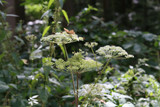
This is known as "True Sage" Sage is native to the Mediterranean and it’s part of the Mint family. Sage is used as a culinary herb, and throughout European history, from the Middle Ages, to ward off illness and infection. The term “sage” means wise, as sage has so many medicinal and energetic actions. Salvia hosts a huge group of species; over 500.
This strong and assertive oil can be used in space clearing and the like. It's a rather toxic oil when used topically so if you are not sure about it, then best to use an alternative. Sage essential oil comes with a lot of warnings and it’s true that this is not an oil for someone who hasn’t had specific essential oil training. It’s strong and can be a dermal irritant and a poison if overused internally. If that sentence makes you wonder what “overused” is, try another oil.
Arctander says
Dalmatian sage oil is a pale yellow, mobile liquid, having a fresh and strong, warm-spicy herbaceous and camphoraceous odor, somewhat reminiscent of Artemisia vulgaris oil. The flavor is equally cineolic-herbaceous, warm and burning. A peculiar sweetness, reminiscent of tansy flowers, is characteristic of the top-note. It’s used extensively as a favor ingredient, as are the dried leaves. It’s important in the flavoring of Vermouth and other bitters or apertifs. It’s interesting to note that sage’s toxicity can be blamed mostly on the high thujone levels, which was the reason Absinth was banned in Europe in the 1950s
In perfumery, Dalmatian sage is used primarily for its power, partly as a topnote, and partly for its good tenacity. The odor fadeout is sweet-herbaceous and very pleasant. Blends well with lavandin, rosemary, all citrus, rosewood, etc. It introduces fresh notes in fougères, chypres, aldehydic perfume bases, colognes, and spicy “mens” colognes and aftershaves.
Battaglia says
Sage has been used as a traditional medicine in Europe as a tonic, digestive, astringent and antispasmodic. It’s mentioned as far back as 1500 BC in the Ebers Papyrus for treating itching.
Aromatherapy uses for sage include
Antibacterial
Anti-inflammatory
Antiseptic
Antispasmodic
Astringent
Digestive
Diuretic
Chemoprotective
Emmenagogue
Febrifuge
Hypertensive
Insecticidal
Stimulant
Stomachic
Tonic
Vulnerary
Again, though, sage is not an oil for someone not trained or just reading from books. There are other, less toxic essential oils. I highly recommend buying Salvatore Battaglia’s book, The Complete Guide to Aromatherapy for more information.
Pantoum for a Sage Warbler
If you were to scratch my surface,
The scent of sage would permeate
The air. A place where songs build nests
Wood spring free, blending songs with sage--
The scent of sage would permeate
even the dampest rocks Rejoice!
Wood spring free, blending songs with sage--
In a gravy, steeped with her voice.
Even the dampest rocks Rejoice!
In the whispering scent of sage--
In a gravy, steeped with her voice
warbling of joy. In a saged rain.
In the whispering scent of sage
her songs get tangled in my hair
warbling of joy. In a saged rain
you'd hear her warbles everywhere.
Her songs get tangled in my hair--
If you were to scratch my surface,
you'd hear her warbles everywhere.
The air. A place where songs build nests.
---Cheryl Li
Safety Warning
As with most essential oils, dilute before using on skin. Perform a patch test before use if essential oil sensitivity is suspected. Do not take essential oils internally. Do not use on children or pets. Seek advice from a trained aromatherapist before using on people with compromised immune systems. Keep away from eyes and mucus membranes.
Enfleurage makes no medical claims relating to any products, essential oils or otherwise, on our website or through social media. We are an essential oil company, not doctors, The FDA has not evaluated the statements on this website. We present our information in order to educate our customers on traditional and general uses of essential oils; in no way do we diagnose, cure, treat, or prevent any disease or condition.
You the customer are responsible for understanding the safe use of any and all of our products, including essential oils, and use them accordingly.

Sage
Salvia officinalis
AKA Dalmatian sage
Labiateae family (Lamiaceae)
Grown and steam distilled in Albania from organically grown herbs
This is known as "True Sage" Sage is native to the Mediterranean and it’s part of the Mint family. Sage is used as a culinary herb, and throughout European history, from the Middle Ages, to ward off illness and infection. The term “sage” means wise, as sage has so many medicinal and energetic actions. Salvia hosts a huge group of species; over 500.
This strong and assertive oil can be used in space clearing and the like. It's a rather toxic oil when used topically so if you are not sure about it, then best to use an alternative. Sage essential oil comes with a lot of warnings and it’s true that this is not an oil for someone who hasn’t had specific essential oil training. It’s strong and can be a dermal irritant and a poison if overused internally. If that sentence makes you wonder what “overused” is, try another oil.
Arctander says
Dalmatian sage oil is a pale yellow, mobile liquid, having a fresh and strong, warm-spicy herbaceous and camphoraceous odor, somewhat reminiscent of Artemisia vulgaris oil. The flavor is equally cineolic-herbaceous, warm and burning. A peculiar sweetness, reminiscent of tansy flowers, is characteristic of the top-note. It’s used extensively as a favor ingredient, as are the dried leaves. It’s important in the flavoring of Vermouth and other bitters or apertifs. It’s interesting to note that sage’s toxicity can be blamed mostly on the high thujone levels, which was the reason Absinth was banned in Europe in the 1950s
In perfumery, Dalmatian sage is used primarily for its power, partly as a topnote, and partly for its good tenacity. The odor fadeout is sweet-herbaceous and very pleasant. Blends well with lavandin, rosemary, all citrus, rosewood, etc. It introduces fresh notes in fougères, chypres, aldehydic perfume bases, colognes, and spicy “mens” colognes and aftershaves.
Battaglia says
Sage has been used as a traditional medicine in Europe as a tonic, digestive, astringent and antispasmodic. It’s mentioned as far back as 1500 BC in the Ebers Papyrus for treating itching.
Aromatherapy uses for sage include
Antibacterial
Anti-inflammatory
Antiseptic
Antispasmodic
Astringent
Digestive
Diuretic
Chemoprotective
Emmenagogue
Febrifuge
Hypertensive
Insecticidal
Stimulant
Stomachic
Tonic
Vulnerary
Again, though, sage is not an oil for someone not trained or just reading from books. There are other, less toxic essential oils. I highly recommend buying Salvatore Battaglia’s book, The Complete Guide to Aromatherapy for more information.
Pantoum for a Sage Warbler
If you were to scratch my surface,
The scent of sage would permeate
The air. A place where songs build nests
Wood spring free, blending songs with sage--
The scent of sage would permeate
even the dampest rocks Rejoice!
Wood spring free, blending songs with sage--
In a gravy, steeped with her voice.
Even the dampest rocks Rejoice!
In the whispering scent of sage--
In a gravy, steeped with her voice
warbling of joy. In a saged rain.
In the whispering scent of sage
her songs get tangled in my hair
warbling of joy. In a saged rain
you'd hear her warbles everywhere.
Her songs get tangled in my hair--
If you were to scratch my surface,
you'd hear her warbles everywhere.
The air. A place where songs build nests.
---Cheryl Li
Safety Warning
As with most essential oils, dilute before using on skin. Perform a patch test before use if essential oil sensitivity is suspected. Do not take essential oils internally. Do not use on children or pets. Seek advice from a trained aromatherapist before using on people with compromised immune systems. Keep away from eyes and mucus membranes.
Enfleurage makes no medical claims relating to any products, essential oils or otherwise, on our website or through social media. We are an essential oil company, not doctors, The FDA has not evaluated the statements on this website. We present our information in order to educate our customers on traditional and general uses of essential oils; in no way do we diagnose, cure, treat, or prevent any disease or condition.
You the customer are responsible for understanding the safe use of any and all of our products, including essential oils, and use them accordingly.
Since 1997, we have been New York’s first and only shop specializing in aromatics from the natural world: essential oils, absolutes and enfleurages. We do not carry synthetics of any kind, in any of our products. In addition to volatile aromatic oils, we offer a carefully curated selection of vegetable and nut oils, hydrosols, and our own range of all-botanical perfumes, skin and hair care, roll-ons to-go, raw incense, hand sanitizer and our new frankincense candles.
Most of our essential oils are sourced from small, artisanal distilleries throughout the world, usually where the plants are happiest growing. The concept of terroir takes the natural planetary variables into account—atmosphere, soil composition, elevation, water table, etc. The earth, as an organic being, moves and breathes with the cosmos, and every square metre of the earth’s tapestry has slight variations. In a larger sense, micro-climates, elevation, soil and air, energy from the sun and moon, rootstock, local cultivation practices, geography, mineral nutrition, water supply, topography, and the like, all influence every living thing growing. Terroir explains the relationship between the scent and taste of a food, wine or essential oil, and its geographic origin.
We’re totally into this.
Domestic Shipping:
Orders over $100 qualify for free shipping within the U.S. We ship domestic orders via UPS Ground or USPS. For deliveries to P.O. boxes, please choose USPS as your shipping option.
US Military Active Duty:
Active duty members of the US military are eligible for free shipping as a token of our appreciation for your service.
International Shipping:
All international orders are shipped via FedEx to ensure reliability and efficiency.
Please be aware that customs and duties may be applied by your country and are your responsibility. These fees are imposed by your government, and the carrier will notify you of any charges. Unfortunately, we cannot assist with these fees, nor can we refund international shipping costs if packages are returned.
Large Orders:
For large orders, over $300, especially initial ones, we may require a signature upon delivery for added security.
Returns:
We accept returns for within 30 days of shipment on unopened products less shipping costs. We do not accept returns on open products.
Please take care when shipping to common areas like general lobbies, or leaving on the doorstep. We cannot refund these orders.
We are not multi-level marketing-our approach is holistic. No membership fees, minimums, or hard sells and we won’t share your information. Just straight-up aromatics.
A quarter-century at the forefront of delivering pure, artisan-crafted essential oils.
Deep-rooted connections with small-scale distilleries around the globe.
Over a decade of distilling premium frankincense, honoring tradition and quality.
Knowledgeable in aromatherapy, perfumery, and ethical sourcing, our staff guide with integrity and expertise.
Join our journey into the heart of botanical luxury. Subscribe for exclusive insights and offers.